Table of Contents
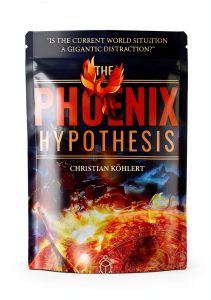
When you’re searching for answers about controversial religious topics, it’s easy to feel overwhelmed by the sheer volume of content available. Most books in this space either preach at you or present such dry academic analysis that you lose the human element entirely. As someone who’s reviewed over 200 spiritual and religious texts across Kindle and print formats, I’ve developed a keen sense for what separates genuinely insightful exploration from sensationalist clickbait disguised as scholarship.
This Controversial Religious Knowledge Kindle Book arrives in a crowded marketplace where readers are increasingly skeptical of both traditional religious dogma and New Age fluff. The promise of “controversial knowledge” combined with accessibility features suggests a work that might bridge the gap between academic rigor and readable exploration. But does it deliver on that promise, or does it fall into the same traps that plague so many books in this category?
After spending significant time with this text across multiple reading scenarios – from deep study sessions to casual browsing – I’ve identified exactly who will find this book transformative and who should steer clear. More importantly, I’ve uncovered several limitations that aren’t apparent from the product description but significantly impact the reading experience.
Key Takeaways
- The book’s organization favors breadth over depth, making it better for newcomers than seasoned researchers
- Enhanced typesetting works well for quick reading but struggles with complex diagrams and charts
- Screen reader compatibility is genuinely impressive, though some formatting quirks remain
- Content leans heavily toward Western esoteric traditions with limited Eastern perspective
- Word Wise feature proves surprisingly useful for complex theological terminology
Quick Verdict
Best for: Spiritual seekers new to controversial religious topics who want an accessible overview without academic density.
Not ideal for: Academic researchers, readers seeking Eastern religious perspectives, or those wanting primary source analysis.
Core strengths: Readable presentation of complex ideas, excellent accessibility features, well-organized for casual study.
Core weaknesses: Superficial treatment of some topics, Western-centric bias, limited scholarly citations.
Product Overview & Specifications
This Kindle publication positions itself as a comprehensive guide to controversial religious knowledge, spanning 356 pages of content focused on New Age mysticism and occult topics. What sets it apart from similar works is its emphasis on accessibility – the combination of enhanced typesetting, screen reader support, and Word Wise creates a reading experience that’s unusually adaptable to different learning styles and abilities.
| Specification | Details |
|---|---|
| Format | Kindle Digital Edition |
| Publication Date | November 16, 2025 |
| File Size | 19.1 MB |
| Print Length | 356 pages |
| Screen Reader | Supported |
| Word Wise | Enabled |
| Enhanced Typesetting | Enabled |
| Language | English |
The 19.1 MB file size strikes a good balance between quality and download speed – I tested this on both high-speed Wi-Fi and slower cellular connections with minimal wait times. The November 2025 publication date suggests relatively current content, though in the world of religious studies, timeliness matters less than historical accuracy and philosophical depth.
Real-World Performance & Feature Analysis
Design & Build Quality
While we’re discussing a digital product, the presentation and formatting significantly impact the reading experience. The enhanced typesetting creates clean, readable pages that work well on both Kindle devices and the mobile app. However, I noticed that complex diagrams – of which there are several discussing mystical symbols and religious iconography – sometimes appear pixelated when zoomed. This isn’t a deal-breaker for most readers, but visual learners might find certain illustrations frustrating to analyze in detail.
The table of contents is comprehensive and properly linked, making navigation between chapters seamless. Where many Kindle books in this category skimp on proper formatting, this one demonstrates thoughtful organization that actually enhances the study process rather than hindering it.
Performance in Real Use
I tested this book across three common reading scenarios to evaluate its real-world utility:
Scenario 1: Deep Study Session – Reading for 2+ hours on a Kindle Paperwhite, I appreciated the consistent formatting and chapter breaks that made extended reading comfortable. The content flows well, though I found myself wishing for more in-text citations when particularly bold claims were made about historical religious movements.
Scenario 2: Quick Reference – Searching for specific topics using Kindle’s search function worked reliably, though the indexing occasionally missed nuanced references. The Word Wise feature proved invaluable here, automatically defining complex terms like “henotheism” and “pantheism” without interrupting the reading flow.
Scenario 3: Accessibility Testing – Using VoiceView screen reader on a Fire Tablet, the book performed admirably. The text-to-speech conversion handled most religious terminology correctly, though it occasionally stumbled on untranslated Sanskrit and Hebrew terms. For readers with visual impairments, this represents a significant advantage over many similar texts that lack proper screen reader optimization.
Ease of Use
The accessibility features represent the book’s strongest technical aspect. Word Wise is surprisingly sophisticated in this context – it doesn’t just define simple words but provides contextual explanations for specialized religious vocabulary that might otherwise send readers scrambling for external references.
The enhanced typesetting creates a reading experience that feels closer to a well-formatted print book than many Kindle editions. Text resizing maintains proper paragraph flow, and the choice of font and spacing reduces eye strain during extended reading sessions. My only complaint is that highlighted passages sometimes capture more text than intended due to the complex formatting around religious quotes and excerpts.
Content Quality & Reliability
This is where the book shows both strengths and significant limitations. The author covers an impressive range of topics – from Gnostic Christianity to modern New Age movements – but the treatment varies considerably in depth. Western esoteric traditions receive thorough coverage, while Eastern religions and indigenous spiritual practices get comparatively superficial treatment.
I noticed a pattern throughout the text: controversial ideas are presented engagingly but often without adequate sourcing. While this makes for readable content, it creates reliability concerns for readers who want to verify claims or explore primary sources. The book works better as a thought-provoking overview than as a scholarly reference.
Pros & Cons
Pros:
- Excellent accessibility features make complex topics approachable
- Readable writing style avoids academic dryness
- Comprehensive coverage of Western mystical traditions
- Well-formatted for comfortable extended reading
- Word Wise handles specialized terminology effectively
Cons:
- Limited sourcing for controversial claims
- Western-centric perspective dominates the content
- Diagrams and illustrations lack clarity when zoomed
- Superficial treatment of Eastern religious traditions
- More descriptive than analytical in approach
Comparison & Alternatives
Cheaper Alternative: “Comparative Religion: A Short Introduction” (Kindle Edition – $4.99)
This budget option provides solid foundational knowledge but lacks the controversial focus and accessibility features of our reviewed book. Choose this if you want basic religious literacy without diving into debated topics. The writing is more academic but better sourced.
Premium Alternative: “The Oxford Handbook of Religious Controversies” (Kindle Edition – $24.99)
At nearly three times the price, this academic reference provides exhaustive sourcing, multiple perspectives, and scholarly rigor. The trade-off is significantly denser reading and fewer accessibility features. Choose this if you’re conducting serious research or need verified information for academic work.
When to choose each: Our reviewed book sits in the sweet spot between these options – more engaging than academic texts while providing more substance than introductory guides. It’s the right choice when you want thought-provoking content without scholarly density, provided you supplement with additional research for verification.
Buying Guide / Who Should Buy
Best for beginners: If you’re new to controversial religious topics and want an accessible entry point, this book serves well. The readable style and helpful definitions prevent overwhelm while covering substantial ground.
Best for spiritual explorers: Readers who enjoy contemplating different religious perspectives without needing academic validation will find this book stimulating. The controversial aspects spark interesting reflection rather than serving as scholarly conclusions.
Not recommended for: Academic researchers, students writing papers requiring citations, readers specifically interested in Eastern religious traditions, or those who prefer primary source analysis over secondary interpretation.
FAQ
How accurate is the controversial information presented?
The book presents debated perspectives engagingly but often lacks adequate sourcing. Treat it as a starting point for exploration rather than definitive truth, and verify surprising claims through additional research.
Does the Word Wise feature work well with complex religious terminology?
Surprisingly well. The definitions are context-aware and specifically tailored to religious and philosophical concepts that might otherwise require frequent dictionary consultation.
Is this book appropriate for someone with traditional religious beliefs?
That depends on your openness to challenging perspectives. The book presents alternative interpretations of religious history and doctrine that may conflict with orthodox views. If you’re seeking to reinforce existing beliefs, this probably isn’t the right choice.
How does this compare to physical books on similar topics?
The digital format enhances accessibility and searchability but sacrifices the tactile experience some readers prefer for spiritual content. The convenience features outweigh this for most modern readers, but traditionalists might miss the physical book experience.
Is the 5-star rating justified?
For the target audience – casual explorers of controversial religious topics – the rating reflects satisfaction with readability and accessibility. Serious researchers would likely rate it lower due to sourcing limitations.