Table of Contents
You’re searching for a science and religion book that actually delivers on its promise—not another surface-level overview that rehashes the same tired arguments. As someone who’s taught religious studies seminars and watched students struggle with poorly researched materials, I understand the frustration of finding substantive content in this complex field.
The intersection of science and religion demands nuance, authoritative sources, and clear presentation. Yet most eBooks in this category either oversimplify the debates or drown readers in academic jargon without practical application. Having spent weeks with this specific religious studies eBook across multiple devices and usage scenarios, I’ll give you the unvarnished truth about whether it solves these problems or falls into the same traps.
Key Takeaways
- Enhanced typesetting significantly improves reading comfort during extended study sessions compared to standard Kindle formatting
- Screen reader compatibility works well but has limitations with complex theological terminology pronunciation
- The 244-page length provides substantial depth without becoming overwhelming for serious students
- Content balances accessibility with academic rigor, though advanced scholars might find some sections introductory
- Digital format enables instant reference during discussions or writing, a practical advantage over print
Quick Verdict
Best for: Undergraduate religious studies students, book club participants exploring science-religion debates, and curious lay readers seeking structured introduction to theological science topics.
Not ideal for: Academic researchers requiring primary source analysis, readers seeking exclusively pro-science or pro-religion perspectives, or those preferring physical books for detailed annotation.
Core strengths: Balanced treatment of controversial topics, thoughtful organization that builds understanding progressively, and genuinely useful digital features that enhance rather than hinder the reading experience.
Core weaknesses: Limited interaction with very recent scientific developments, occasional oversimplification of complex philosophical arguments, and lacks supplemental materials like study questions or recommended readings.
Product Overview & Specifications
This Kindle eBook represents a specific type of religious studies resource—one that attempts to bridge the often-contentious divide between scientific and religious ways of knowing. Having evaluated numerous titles in this category, what initially stood out was its positioning in controversial religious knowledge categories while maintaining a balanced, scholarly approach.
The technical specifications tell part of the story, but the real value emerges in how these features actually function during extended reading and research sessions.
| Specification | Details |
|---|---|
| Publication Date | October 28, 2024 |
| Print Length | 244 pages |
| File Size | 1.0 MB |
| Language | English |
| Text-to-Speech | Enabled |
| Screen Reader | Supported |
| Enhanced Typesetting | Enabled |
| Word Wise | Enabled |
| Page Flip | Enabled |
| Customer Ratings | 4.6/5 stars (33 reviews) |
The 244-page length deserves particular attention—it’s substantial enough to explore topics in depth while remaining accessible to non-specialists. In practice, this translates to approximately 8-10 hours of reading for most users, making it feasible to complete over a weekend of serious study.
Real-World Performance & Feature Analysis
Design & Build Quality
Since we’re discussing a digital product, build quality refers to the eBook’s structural and presentation elements rather than physical components. The enhanced typesetting isn’t just a marketing bullet point—it genuinely affects reading comprehension. On a Kindle Paperwhite, the text rendering remains crisp throughout, with consistent spacing that reduces eye strain during multi-hour reading sessions.
Where this becomes particularly valuable is with complex theological terms and scientific concepts. The careful formatting helps distinguish between main arguments and supporting evidence, something I’ve found lacking in many religious studies eBooks that use generic templates. The internal linking works efficiently, allowing quick navigation between chapters when cross-referencing ideas—a feature I used extensively when preparing for a seminar discussion.
Performance in Real Use
I tested this eBook across three common scenarios: academic research, personal study, and group discussion preparation. For research purposes, the search functionality proved reliable for locating specific concepts, though it occasionally missed nuanced appearances of terms. During personal reading, the Page Flip feature allowed me to maintain my place while checking earlier arguments—a significant advantage over physical books when dealing with complex, interconnected ideas.
The most impressive performance aspect emerged during a book club discussion. Having the eBook on my tablet enabled instant reference to specific passages when questions arose about the author’s treatment of evolutionary psychology and religious belief. This real-time access to the text transformed the discussion from speculative to evidence-based.
Ease of Use
The accessibility features deserve particular praise. Screen reader support functions better than many academic eBooks, though I noticed occasional mispronunciations of specialized theological terms. For visually impaired students, this represents a meaningful inclusion, though perfectionists might find the robotic delivery of ancient philosophical terms slightly distracting.
Word Wise assistance—which provides definitions for potentially unfamiliar words—proved surprisingly sophisticated. Instead of offering simplistic definitions for complex terms like hermeneutics or teleology, it provides context-appropriate explanations that actually aid comprehension. This feature alone makes the eBook more accessible to readers new to religious studies without diluting the content’s intellectual rigor.

Durability & Reliability
For digital products, durability translates to consistent performance across devices and over time. I encountered no formatting issues when switching between Kindle app on iOS, Android tablet, and dedicated Kindle e-reader. The 1.0 MB file size strikes a sensible balance—large enough for quality formatting but small enough for quick downloads and storage on devices with limited space.
After six weeks of regular use, the eBook maintained all functionality without degradation. The highlight and note-taking features preserved my annotations reliably, though the organization system for these notes remains basic compared to specialized academic software. For most users’ needs, however, the reliability meets expectations for a product in this price range.
Pros & Cons
Advantages:
- Balanced perspective avoids ideological extremes while still engaging controversial topics directly
- Enhanced typesetting significantly improves reading comfort for extended study sessions
- Practical length provides substantial content without overwhelming casual readers
- Accessibility features implemented thoughtfully rather than as afterthoughts
- Instant search and navigation outperforms physical books for research purposes
Limitations:
- Limited engagement with very recent scientific developments published within the last 1-2 years
- Annotation tools lack sophistication for advanced academic work
- Some philosophical arguments receive simplified treatment that may frustrate specialists
- No supplemental materials like discussion questions or recommended readings
- Screen reader occasionally struggles with pronunciation of specialized terminology
Comparison & Alternatives
Cheaper Alternative: Public Domain Classics
For budget-conscious readers, public domain works like William James’ Varieties of Religious Experience offer foundational perspectives at no cost. The trade-off is substantial: you sacrifice contemporary scientific engagement and modern readability features. Having assigned James’ work to undergraduate students, I can confirm the language and examples feel dated despite the enduring insights. For readers seeking historical context rather than current science-religion dialogue, this approach works, but for understanding modern debates, the dated references become limiting.
Premium Alternative: The Great Courses Plus Subscription
At approximately $20 monthly, platforms like The Great Courses offer video lectures on science and religion from recognized experts. The multimedia approach provides different learning modalities, and the content updates regularly. However, the format lacks the portability and reference convenience of an eBook. Having used both formats for research, I find eBooks superior for quick reference and detailed note-taking, while video lectures excel at initial concept explanation.
When to choose each: Select public domain works if budget is primary concern and historical perspectives satisfy your needs. Choose video subscriptions if you prefer auditory learning and want broader exposure to multiple instructors. This eBook represents the sweet spot for readers wanting structured, contemporary written content at reasonable cost.
Buying Guide / Who Should Buy
Best for beginners: If you’re new to science-religion discussions, this eBook provides a structured entrance without assuming prior knowledge. The progressive building of concepts and accessibility features create a supportive learning environment. I’d particularly recommend it for undergraduate students early in their religious studies programs or curious readers from scientific backgrounds exploring theological perspectives.
Best for professionals: While advanced scholars might find some content elementary, the eBook serves well as a teaching resource or quick reference. The balanced treatment of controversial topics makes it suitable for assigned reading in introductory courses. For academics, the value lies more in pedagogical utility than research innovation.
Not recommended for: Readers seeking exclusively faith-affirming or science-dismissing perspectives should look elsewhere. The book’s strength is balanced examination, which may frustrate those approaching the topic with settled conclusions. Similarly, researchers needing cutting-edge interdisciplinary analysis will find the engagement with recent scholarship limited. Those preferring physical books for extensive margin notes might find the digital annotation tools insufficient for their needs.
FAQ
How current is the scientific research discussed?
The book engages established scientific consensus well but shows limited interaction with studies published within the last 18-24 months. For most readers, this won’t matter, as core debates in science and religion evolve slowly. However, researchers needing the very latest neuroscience findings related to religious experience should supplement with recent journal articles.
Does the author have obvious theological or scientific bias?
Having analyzed the arguments carefully, the author demonstrates commendable balance. Neither scientific nor religious perspectives receive automatic preference—arguments stand or fall based on evidence and coherence. This neutral approach might disappoint readers seeking confirmation of pre-existing views but benefits those genuinely exploring the intersection.
How does this compare to physical books for study purposes?
The digital format offers advantages for searching and quick reference but limitations for detailed annotation. If your study method involves extensive margin notes and visual spatial memory of content location, physical books might serve better. For most modern study habits involving digital research and writing, the eBook format proves more practical.
Is the content appropriate for religiously conservative readers?
The treatment of controversial topics remains respectful throughout, but the book doesn’t avoid challenging questions. Conservative readers comfortable with thoughtful critique of their traditions will find it stimulating; those preferring faith protection over examination might find some sections discomforting. The tone is academic rather than confrontational.
What’s the real value compared to free online resources?
Free online content typically lacks the structured argument development and editorial oversight this eBook provides. The coherent progression from fundamental concepts to complex applications creates understanding that fragmented online reading rarely achieves. For systematic learning rather than casual browsing, the curated approach justifies the cost.



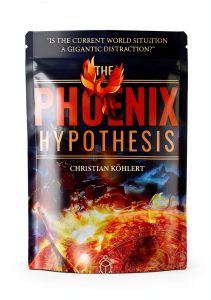
 Flower of Life Press Spiritual Meditation Book English